Traditional Delicacy Food Dishes
Highlighted under: Cuisine Without Borders
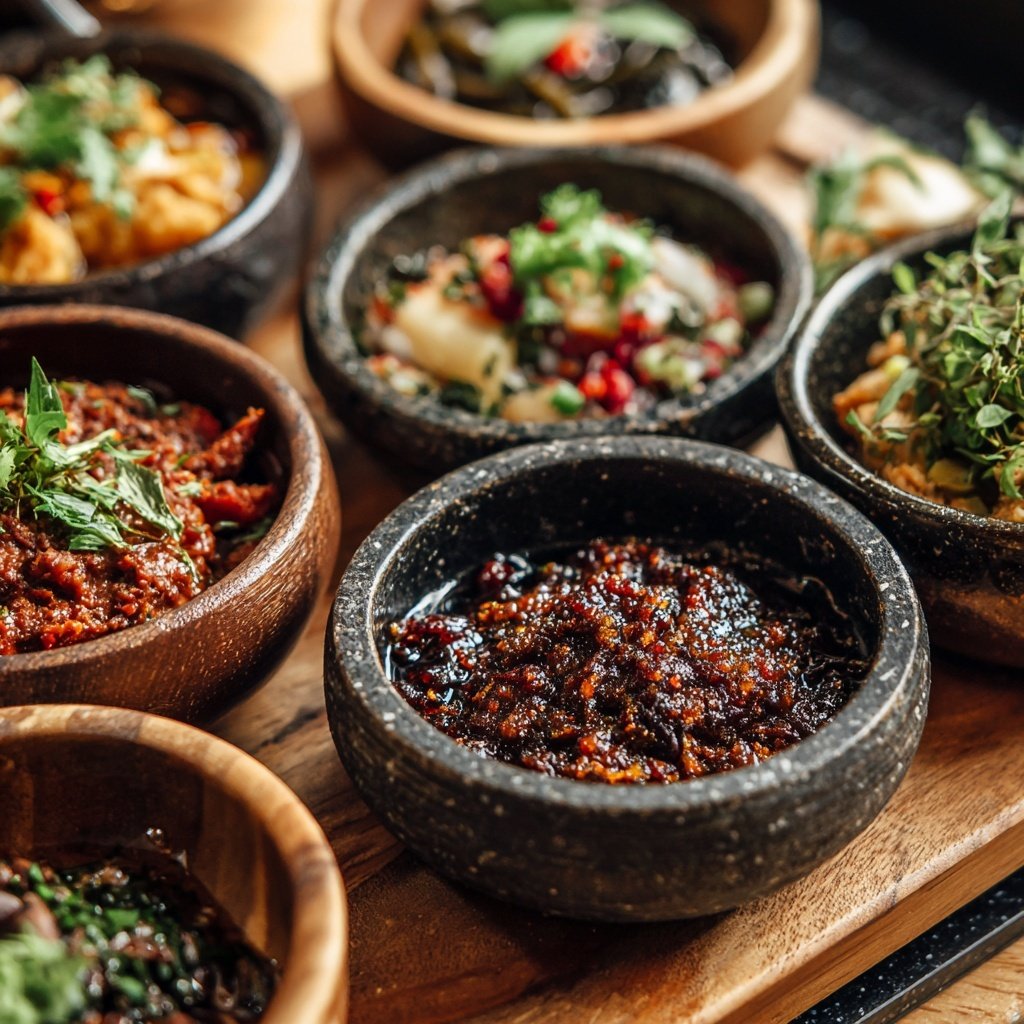
Discover the rich flavors and cultural significance of traditional delicacy food dishes that have been cherished for generations.
Traditional delicacies are more than just food; they are a celebration of culture and history. These dishes bring families together and evoke memories of home.
Why You Will Love This Recipe
- Authentic flavors that transport you to another place
- A hearty and satisfying meal perfect for family gatherings
- A chance to explore traditional cooking methods and ingredients
Cultural Significance
Traditional delicacy food dishes hold a special place in many cultures around the world. They are often associated with family gatherings, celebrations, and rituals, serving as a bridge between generations. These recipes are passed down through families, each adding their own unique twist while preserving the original essence. The enjoyment of these dishes fosters a sense of community and belonging, making them more than just meals; they are a celebration of heritage.
In many cultures, the preparation of traditional delicacies involves specific rituals that enhance the experience. From gathering fresh ingredients from local markets to using age-old cooking techniques, every step is infused with significance. As families come together to prepare these meals, they share stories, laughter, and love, creating lasting memories that transcend time.
Cooking Techniques
Traditional cooking methods often emphasize the use of fresh, local ingredients and time-honored techniques that enhance the flavors of the dish. Techniques such as slow cooking, marinating, and using clay pots or open flames bring out the best in the ingredients. These methods not only preserve the nutritional value but also infuse the food with rich flavors that are hard to replicate with modern cooking appliances.
Additionally, traditional cooking encourages mindfulness and patience. The process of preparing a meal from scratch, respecting each ingredient, and allowing flavors to meld together creates a deeper connection to the food. This approach not only makes for a delicious meal but also enriches the cooking experience, turning it into a form of art that is both satisfying and rewarding.
Flavor Profiles
The flavor profiles of traditional delicacy food dishes are often complex and layered, combining a variety of spices and ingredients that create a symphony of tastes. The use of traditional spices is key; they not only enhance the dish but also bring a sense of authenticity. Each region has its own specialty spices, which reflect the local climate, geography, and culture, making every bite a journey through history.
Moreover, the balance of flavors—sweet, savory, sour, and spicy—plays a crucial role in traditional dishes. This balance is what makes these meals so satisfying and memorable. By experimenting with different spices and cooking techniques, you can discover new dimensions of flavor, allowing you to recreate the comforting essence of these time-honored recipes in your own kitchen.
Ingredients
Main Ingredients
- 2 cups of rice
- 1 lb of meat (chicken or beef)
- 1 cup of mixed vegetables
- 2 tablespoons of traditional spices
- 4 cups of broth or water
- Salt to taste
Make sure to gather all ingredients before starting the cooking process.
Cooking Steps
Prepare the Ingredients
Rinse the rice under cold water until the water runs clear. Cut the meat into bite-sized pieces and chop the vegetables.
Cook the Meat
In a large pot, heat some oil over medium heat and add the meat. Cook until browned, then add the spices and stir well.
Add Rice and Broth
Add the rinsed rice to the pot, followed by the broth or water. Bring to a boil, then reduce heat to low and cover.
Add Vegetables
After 15 minutes, add the mixed vegetables to the pot. Cover and cook for an additional 10-15 minutes until the rice is fluffy.
Serve
Fluff the rice with a fork and serve hot. Enjoy your traditional delicacy food dish!
Garnish with fresh herbs if desired.
Pro Tips
- Feel free to customize the dish with your favorite vegetables or spices to suit your taste.
Serving Suggestions
When serving traditional delicacy food dishes, presentation can elevate the dining experience even further. Consider garnishing with fresh herbs, a squeeze of lemon, or a drizzle of homemade sauce to add color and vibrancy to the plate. Pairing your dish with traditional sides, such as flatbreads or salads, can also enhance the overall meal, creating a well-rounded dining experience that is both visually appealing and delicious.
Don't forget the importance of the dining atmosphere! Creating a warm and inviting environment, perhaps with traditional music or decor, can transform a simple meal into a festive occasion. This attention to detail not only highlights the dish itself but also honors the cultural significance behind it.
Storage and Reheating
Leftovers from traditional delicacy food dishes can often taste even better the next day as the flavors continue to meld together. To store, allow the dish to cool completely before transferring it to an airtight container. Refrigerate for up to three days or freeze for longer storage. Proper storage not only preserves the taste but also maintains the quality of the ingredients used.
When reheating, it's best to do so gently to avoid drying out the dish. You can use a stovetop, microwave, or oven, adding a splash of broth or water if needed to restore moisture. Enjoying these leftovers is a wonderful way to relive the flavors of tradition, making it a delightful experience every time you revisit this cherished meal.
Variations and Adaptations
While traditional recipes are treasured for their authenticity, feel free to adapt them to suit your tastes or dietary needs. Swapping out ingredients or experimenting with different proteins can lead to exciting new interpretations of classic dishes. For instance, using plant-based proteins or gluten-free grains can make these recipes accessible to a broader audience while still maintaining their essence.
Additionally, incorporating seasonal vegetables or locally sourced ingredients can add a fresh twist to your dish. This not only enhances the flavor but also supports local farmers and promotes sustainability. Embracing variations encourages creativity and allows you to personalize traditional delicacies, ensuring that they remain relevant and enjoyable for generations to come.
Questions About Recipes
→ Can I use different types of meat?
Yes, you can substitute chicken with beef, pork, or even tofu for a vegetarian option.
→ How can I make this dish vegetarian?
Simply replace the meat with extra vegetables or legumes and use vegetable broth instead of meat broth.
→ What traditional spices should I use?
Common spices include cumin, coriander, turmeric, and paprika, but feel free to explore based on your preference.
→ Can I prepare this dish in advance?
Yes, you can prepare the ingredients ahead of time and cook them just before serving for the best flavor.
Traditional Delicacy Food Dishes
Created by: Katherine Blake
Recipe Type: Cuisine Without Borders
Skill Level: Intermediate
Final Quantity: 4 servings
What You'll Need
Main Ingredients
- 2 cups of rice
- 1 lb of meat (chicken or beef)
- 1 cup of mixed vegetables
- 2 tablespoons of traditional spices
- 4 cups of broth or water
- Salt to taste
How-To Steps
Rinse the rice under cold water until the water runs clear. Cut the meat into bite-sized pieces and chop the vegetables.
In a large pot, heat some oil over medium heat and add the meat. Cook until browned, then add the spices and stir well.
Add the rinsed rice to the pot, followed by the broth or water. Bring to a boil, then reduce heat to low and cover.
After 15 minutes, add the mixed vegetables to the pot. Cover and cook for an additional 10-15 minutes until the rice is fluffy.
Fluff the rice with a fork and serve hot. Enjoy your traditional delicacy food dish!
Extra Tips
- Feel free to customize the dish with your favorite vegetables or spices to suit your taste.
Nutritional Breakdown (Per Serving)
- Calories: 450 kcal
- Total Fat: 12g
- Saturated Fat: 3g
- Cholesterol: 70mg
- Sodium: 600mg
- Total Carbohydrates: 60g
- Dietary Fiber: 3g
- Sugars: 1g
- Protein: 25g