Easy Homemade Croissants
Highlighted under: Whisked Wonders
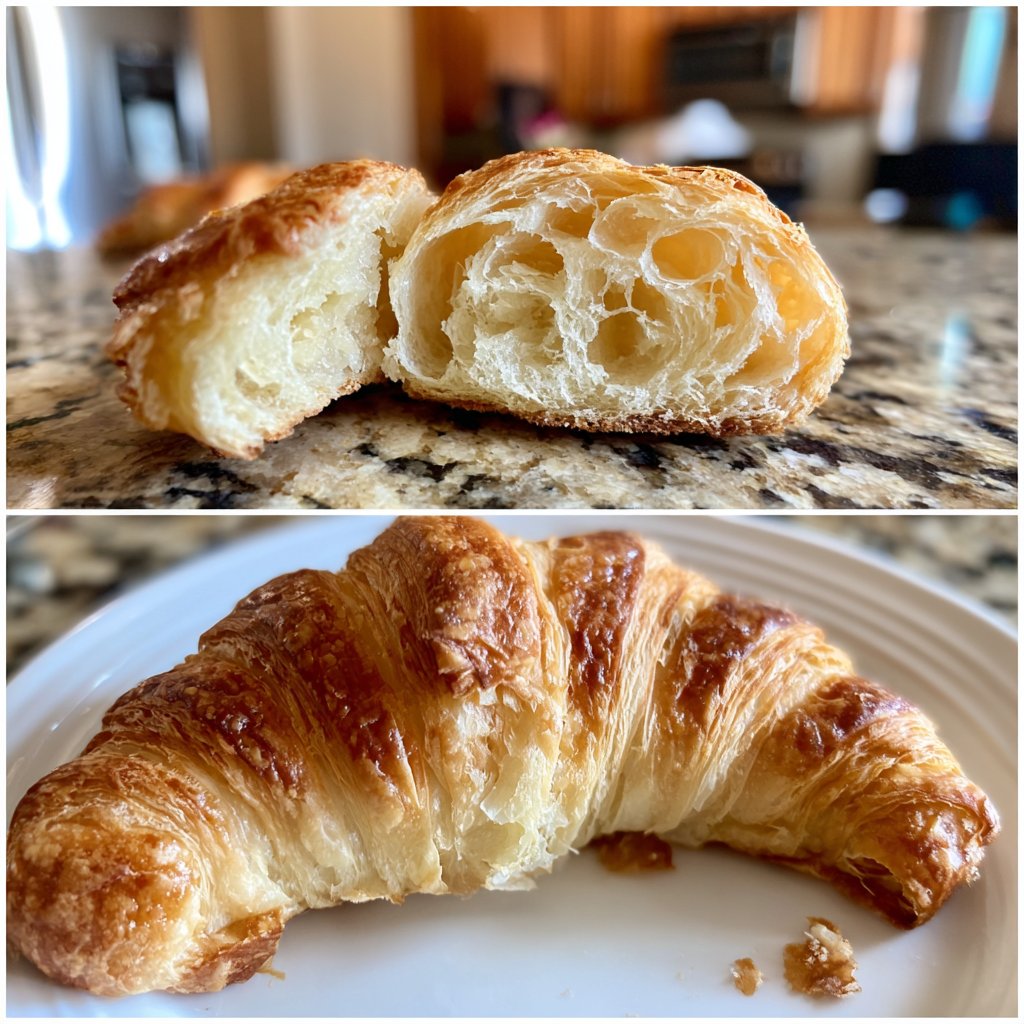
I can't believe how simple it is to make delicious croissants right in my kitchen! After experimenting with different methods, I've found that using a basic dough recipe with cold butter creates the flakiest layers. The combination of folding and rolling is the key to achieving that coveted texture. These croissants are perfect for a leisurely breakfast or an impressive brunch spread, and I love how the aroma of freshly baked bread fills the house.
Baking croissants at home was a challenge I always wanted to tackle, and I finally had my breakthrough. With a bit of patience and precision, I discovered that letting the dough rest in between the folds gave it a beautiful rise and perfect texture. I was amazed at the difference it made when I brushed them with egg wash before baking, resulting in that golden, glossy finish.
The joy of biting into a warm, buttery croissant made every minute spent worthwhile. This recipe has truly become a staple in my home, especially during weekends when I have the time to enjoy the process. Sharing them with friends and family has become a beloved tradition!
Why You'll Love These Croissants
- Buttery layers that melt in your mouth
- The aroma of freshly baked dough is irresistible
- Perfectly flaky texture achieved at home
Mastering the Dough
The foundation of exceptional croissants lies in the dough. Using cold milk helps to prevent the fat from melting during mixing, which is critical for developing those flaky layers. Be sure to knead the dough until it's smooth, which usually takes about 5 minutes. This process not only combines the ingredients but also develops the gluten, giving your croissants structure. If you notice a sticky dough, sprinkle a little extra flour to help incorporate it without over-kneading.
Letting the dough chill in the refrigerator is another crucial step. This resting period strengthens the gluten and allows the flour to fully hydrate, which deepens the flavor. One hour is ideal, but if you’re short on time, you can chill for as little as 30 minutes. However, be cautious not to over-chill, as this can make rolling the dough cumbersome later on.
The Art of Laminating
Laminate the dough carefully to achieve those exquisite layers. When you pound the cold butter between parchment, aim for an even thickness of about 1/2 inch. This ensures that it integrates smoothly with the dough during the folding process. If the butter becomes too soft, pop it back into the fridge for a few minutes before proceeding; this helps maintain the defined layers that give croissants their characteristic texture.
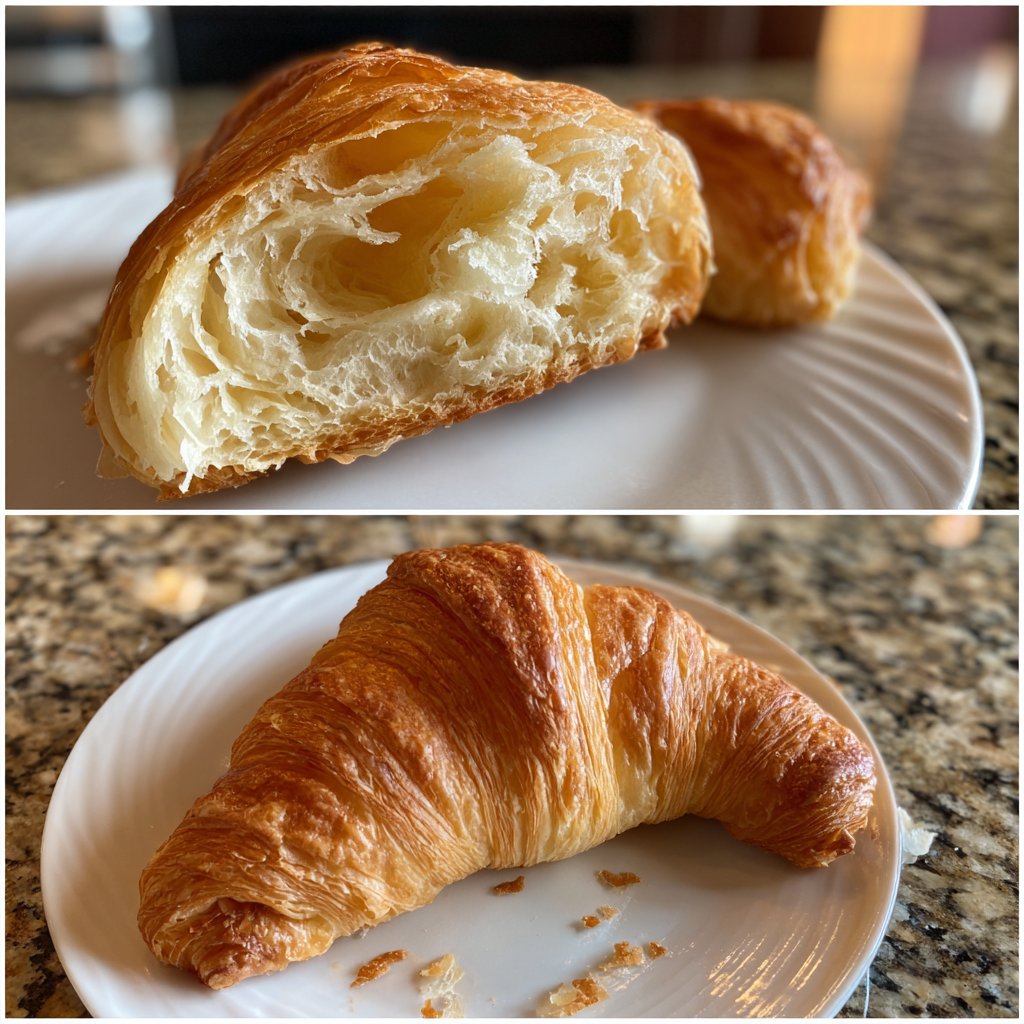
During the folding process, pay attention to the edges. Sealing the dough well prevents the butter from leaking out, which would compromise the layering. As you fold and roll, try to keep the dough in a rectangular shape to help maintain even layers. This helps avoid any uneven cooking or gaps during baking. After chilling, you should see distinct layers when you cut into your croissant!
Serving and Storing Your Croissants
Freshly baked croissants are best enjoyed the same day, still warm from the oven. However, if you have leftovers, store them in an airtight container at room temperature for up to two days. Reheat them in the oven at 350°F (175°C) for about 5-10 minutes to restore their flakiness. You can also freeze unbaked croissants after shaping them; just cover them tightly in plastic wrap. When you're ready to bake, allow them to rise fully before following the baking instructions.
These croissants are delicious on their own, but you can elevate them further by serving with homemade jam or a smear of butter. For a twist, I love filling some croissants with chocolate or almond paste before rolling them up to create indulgent variations. This is an excellent way to impress guests if you’re hosting a brunch!
Ingredients
Dough Ingredients
- 4 cups all-purpose flour
- 1/4 cup granulated sugar
- 1 tablespoon salt
- 1 tablespoon instant yeast
- 1 1/2 cups cold milk
- 1 cup unsalted butter (cold)
Egg Wash Ingredients
- 1 large egg
- 1 tablespoon milk
Gather all the ingredients before you begin for an efficient workflow!
Instructions
Prepare the Dough
In a large mixing bowl, combine the flour, sugar, salt, and instant yeast. Gradually add the cold milk and mix until the dough forms. Knead for about 5 minutes until smooth. Place the dough in a greased bowl, cover, and let it chill in the refrigerator for 1 hour.
Incorporate the Butter
While the dough chills, place the cold butter between two sheets of parchment paper and pound it with a rolling pin until it's about 1/2 inch thick. Refrigerate the butter until the dough is ready.
Laminate the Dough
Roll out the chilled dough into a rectangle, then place the cold butter in the center. Fold the dough over the butter like a letter and seal the edges. Roll it out again into a larger rectangle, then fold it into thirds. Chill for another 30 minutes and repeat this process two more times.
Shape the Croissants
Roll out the dough into a large rectangle one last time. Cut it into triangles and stretch slightly. Starting from the base, roll each triangle up towards the point. Place them on lined baking sheets and let them rise for about 1 hour.
Bake
Preheat your oven to 400°F (200°C). In a small bowl, whisk together the egg and milk for the egg wash. Brush the mixture over each croissant before baking. Bake for 20 minutes or until golden brown and flaky. Enjoy your homemade croissants warm!
For best results, enjoy them fresh out of the oven!
Pro Tips
- Make sure your butter remains cold throughout the process for the best flaky layers. If the dough gets too warm, refrigerate it again before continuing.
Ingredient Insights
Understanding why each ingredient plays its role is key to perfecting your croissant. All-purpose flour is versatile and gives a balanced gluten structure, essential for achieving that tender yet flaky texture. If you're looking for a richer flavor, try using bread flour, which has a higher protein content and can yield a chewier croissant.
The use of cold butter is non-negotiable; it creates steam as it melts during baking, expanding the layers to form that flaky structure we all adore. If you're in a pinch, you can substitute with margarine, but for the best flavor and texture, stick to quality unsalted butter.
Common Challenges
One common issue bakers face is the croissants not puffing up as expected. This often happens if the dough or butter gets too warm during the rolling process. Keep your work surface and tools cool, and don’t hesitate to refrigerate the dough and butter more often if needed. Remember to work quickly to maintain that cold temperature.
Another challenge can be developing an even bake. If croissants are browning too quickly, consider lowering the oven temperature to 375°F (190°C) and baking a bit longer to ensure they cook through without burning. Also, rotating the baking sheets halfway through can help achieve an even golden color.
Questions About Recipes
→ Can I use whole wheat flour instead of all-purpose?
Yes, but the texture may be denser. It's best to use a mix of whole wheat and all-purpose.
→ How can I store leftover croissants?
Store them in an airtight container at room temperature for up to 2 days or freeze for longer storage.
→ Can I prepare the dough in advance?
Absolutely! You can prepare the dough and freeze it for up to a month, then thaw and shape it before baking.
→ What can I fill the croissants with?
You can fill them with chocolate, almond paste, or even ham and cheese for a savory twist!
Easy Homemade Croissants
Created by: Katherine Blake
Recipe Type: Whisked Wonders
Skill Level: Intermediate
Final Quantity: 12 croissants
What You'll Need
Dough Ingredients
- 4 cups all-purpose flour
- 1/4 cup granulated sugar
- 1 tablespoon salt
- 1 tablespoon instant yeast
- 1 1/2 cups cold milk
- 1 cup unsalted butter (cold)
Egg Wash Ingredients
- 1 large egg
- 1 tablespoon milk
How-To Steps
In a large mixing bowl, combine the flour, sugar, salt, and instant yeast. Gradually add the cold milk and mix until the dough forms. Knead for about 5 minutes until smooth. Place the dough in a greased bowl, cover, and let it chill in the refrigerator for 1 hour.
While the dough chills, place the cold butter between two sheets of parchment paper and pound it with a rolling pin until it's about 1/2 inch thick. Refrigerate the butter until the dough is ready.
Roll out the chilled dough into a rectangle, then place the cold butter in the center. Fold the dough over the butter like a letter and seal the edges. Roll it out again into a larger rectangle, then fold it into thirds. Chill for another 30 minutes and repeat this process two more times.
Roll out the dough into a large rectangle one last time. Cut it into triangles and stretch slightly. Starting from the base, roll each triangle up towards the point. Place them on lined baking sheets and let them rise for about 1 hour.
Preheat your oven to 400°F (200°C). In a small bowl, whisk together the egg and milk for the egg wash. Brush the mixture over each croissant before baking. Bake for 20 minutes or until golden brown and flaky. Enjoy your homemade croissants warm!
Extra Tips
- Make sure your butter remains cold throughout the process for the best flaky layers. If the dough gets too warm, refrigerate it again before continuing.
Nutritional Breakdown (Per Serving)
- Calories: 250 kcal
- Total Fat: 15g
- Saturated Fat: 10g
- Cholesterol: 50mg
- Sodium: 180mg
- Total Carbohydrates: 28g
- Dietary Fiber: 1g
- Sugars: 3g
- Protein: 5g